VAs for Property Management Admin
By Caliber Virtual
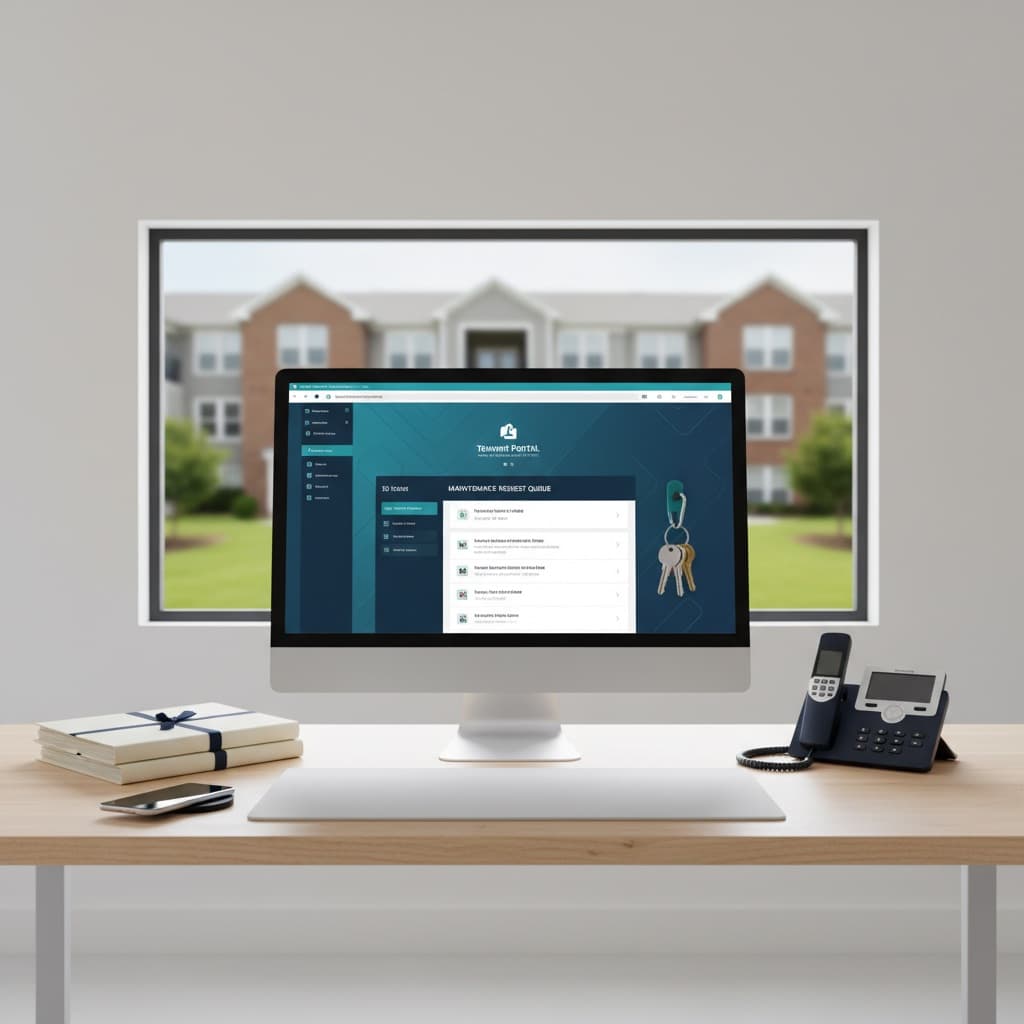
Property management is one of the most operationally dense businesses in real estate. A manager overseeing 50–150 units juggles tenant communication, maintenance coordination, lease administration, rent collection, vendor management, and owner reporting — simultaneously, every day. The margin between a well-run portfolio and a chaotic one often comes down to administrative capacity.
In 2026, property management companies are increasingly turning to virtual assistants to handle the high-volume administrative work that keeps portfolios running smoothly. The model works because most property management tasks are process-driven: they follow repeatable patterns that a trained assistant executes reliably once the workflows are documented.
Tenant Screening and Onboarding
Filling vacancies quickly with qualified tenants is the single most important revenue driver in property management. Every day a unit sits empty costs the owner $50–$150 in lost rent. A virtual assistant accelerates the leasing pipeline by managing the screening process end-to-end:
- Application processing: Collecting and organizing rental applications, verifying completeness, and flagging missing documents before they delay the process
- Background and credit checks: Initiating screening through services like TransUnion SmartMove, RentPrep, or AppFolio’s built-in screening, then summarizing results for the property manager’s decision
- Reference verification: Contacting previous landlords and employers to verify rental history, income, and reliability — a task that’s simple but time-consuming
- Move-in coordination: Scheduling move-in inspections, preparing welcome packets, setting up utility transfer reminders, and ensuring lease signing is completed before key handover
Property managers who delegate screening to a VA typically reduce their vacancy-to-occupancy time by 5–7 days. At an average rent of $1,800/month, that’s $300–$420 in recovered revenue per turnover — across a 100-unit portfolio with 30% annual turnover, that adds up to $9,000–$12,600 in additional annual revenue.
Maintenance Request Coordination
Maintenance is the operational heartbeat of property management — and the biggest source of tenant frustration when handled poorly. A virtual assistant serves as the first point of contact for all maintenance requests, creating a structured triage and dispatch process:
- Request intake: Receiving maintenance requests via phone, email, tenant portal, or text message and logging them in the property management system with photos, descriptions, and urgency classification
- Triage and prioritization: Categorizing requests as emergency (water leak, no heat, security issue), urgent (broken appliance, HVAC malfunction), or routine (cosmetic repairs, minor fixes) — and routing each appropriately
- Vendor dispatch: Contacting the appropriate vendor or maintenance technician, scheduling the repair, and communicating the timeline to the tenant
- Follow-up and closure: Confirming work completion with the tenant, collecting satisfaction feedback, filing invoices, and closing the work order in the system
The key metric here is response time. Properties that acknowledge maintenance requests within 2 hours and provide a resolution timeline within 24 hours see 40% fewer negative reviews and significantly higher lease renewal rates. A dedicated VA makes that response standard achievable even for managers overseeing large portfolios.
Lease Administration and Renewals
Lease management is a deadline-driven process where missed dates cost real money. A VA manages the administrative lifecycle of every lease in the portfolio:
- Lease tracking: Maintaining a master lease calendar with expiration dates, renewal windows, rent increase effective dates, and option exercise deadlines
- Renewal outreach: Initiating renewal conversations 90 days before lease expiration, presenting renewal terms, and managing the negotiation paperwork
- Document preparation: Drafting lease agreements, addenda, and notices using approved templates — ensuring all jurisdiction-specific requirements are met
- Compliance tracking: Monitoring lease compliance issues (unauthorized occupants, pet violations, noise complaints) and preparing notices when action is required
For portfolios with 100+ units, lease administration alone can consume 15–20 hours per week. A VA handles this systematically, ensuring no renewal falls through the cracks and no lease term goes unenforced.
Rent Collection and Accounts Receivable
Collecting rent shouldn’t be a monthly battle, but for many property managers, chasing late payments is a recurring time sink. A VA implements a structured collection process that reduces delinquency rates:
- Payment monitoring: Tracking rent payments daily against the ledger, identifying late payments on day 2, and initiating the follow-up sequence immediately
- Friendly reminders: Sending courtesy reminders before the due date and polite follow-ups on day 1–3 of lateness — catching most late payments before they become problematic
- Formal notices: Preparing and sending pay-or-quit notices, late fee assessments, and demand letters according to the property’s escalation timeline and local regulations
- Payment plan coordination: For tenants facing temporary hardship, documenting payment plan agreements and tracking compliance with the agreed schedule
- Owner reporting: Preparing monthly financial summaries showing collected rent, outstanding balances, and delinquency trends for property owners
Properties that implement proactive rent collection outreach — the day-before reminder and day-2 follow-up — typically see their on-time payment rate improve from 85% to 93–95%. That’s a meaningful cash flow improvement for owners and fewer stressful collection conversations for managers.
Vendor Coordination and Invoice Management
Property managers work with dozens of vendors: plumbers, electricians, HVAC technicians, landscapers, cleaning crews, painters, locksmiths, and general contractors. Coordinating this network is logistically demanding:
- Vendor database management: Maintaining an updated directory of approved vendors with contact information, service areas, pricing, insurance certificates, and performance ratings
- Bid solicitation: For larger projects, contacting multiple vendors for competitive bids, compiling comparison spreadsheets, and presenting recommendations to the property manager or owner
- Scheduling and access: Coordinating vendor access to units — arranging entry with tenants, providing lockbox codes, and confirming appointment times
- Invoice processing: Receiving vendor invoices, matching them against work orders, verifying completion and pricing accuracy, and routing approved invoices for payment
- Insurance compliance: Tracking vendor insurance certificates and ensuring all contractors maintain current coverage before performing work on the property
The vendor coordination role is where a VA’s organizational skills create the most leverage. A well-managed vendor network means faster repairs, better pricing, and fewer liability gaps — all of which directly impact property performance and owner satisfaction.
The Cost Structure
An in-house property management administrative assistant in the US costs $38,000–$48,000 in salary plus $8,000–$14,000 in benefits, taxes, and overhead — a total of $46,000–$62,000 annually. For small-to-mid property management companies running tight margins (typically 8–12% of collected rents), that’s a significant fixed cost.
A dedicated property management VA costs approximately $1,500/month ($18,000/year) and handles the same scope of work. See our pricing for plan details. The $28,000–$44,000 annual savings per position goes directly to the company’s bottom line — or funds the acquisition of additional management contracts that drive revenue growth.
For property managers overseeing 200+ units, a team of 2–3 VAs replaces what would otherwise require 3–4 in-house staff, creating annual savings of $80,000–$130,000 while maintaining or improving service quality. Learn more about how VAs handle lead follow-up and transaction coordination for real estate professionals.
📥 Free Download: The Complete VA Hiring Guide
Everything you need to hire, onboard, and manage a virtual assistant for your property management business.
Related Articles
Close more deals with a real estate VA
Lead follow-up, transaction coordination, and listing management — handled by a trained virtual assistant.
See Industry Solutions